The Science of Small Group Tutoring
The Research Foundation
Modern educational research provides compelling evidence for the transformative power of group tutoring and small‑group teaching in mathematics education. Unlike traditional whole‑class teaching or isolated individual study, group tutoring harnesses the natural social dynamics of learning to create environments in which mathematical understanding flourishes.
Meta‑analytical evidence demonstrates that small‑group learning in mathematics achieves outstanding results:
- Pupils who took part in group tutoring typically moved from average performance to well above average—essentially rising from the middle of their class to the top third (Kalaian & Kasim, 2014).
- Nearly nine out of every ten studies found that pupils in peer tutoring programmes achieved better academic outcomes compared with those who did not take part (Alegre et al., 2019).
- Pupils in small‑group tutoring make, on average, the equivalent of four additional months’ progress in learning each year compared with their peers in classroom‑only teaching (Education Endowment Foundation, 2024).
- When this group approach is combined with some targeted individual support, pupils can make up to five months of additional progress annually—nearly half a school year’s worth of extra learning (EEF, 2024)
The Cognitive Advantages
Research reveals that group tutoring provides unique cognitive benefits that individual learning cannot replicate:
Enhanced Information Processing – Pupils working with trained tutors experience notably lower cognitive load, enabling better information processing and knowledge retention (Fantuzzo et al., 1992). The collaborative environment allows pupils to verbalise their thinking, identify misconceptions, and refine understanding through peer dialogue.
Deeper Conceptual Understanding – A meta‑analysis by Johnson and Johnson (2009) highlighted that cooperative learning methods in mathematics led to higher test scores and improved retention compared with traditional individual learning. Pupils develop deeper conceptual insights through diverse perspectives and peer‑assisted reasoning.
Improved Problem‑Solving – Research consistently shows that group discussions about mathematical concepts encourage pupils to explain their reasoning and engage in critical dialogue, leading to enhanced problem‑solving abilities and mathematical thinking skills.
The Social‑Emotional Transformation
Beyond academic gains, group tutoring creates profound social‑emotional benefits:
Increased Confidence and Self‑Efficacy – Studies demonstrate that peer tutoring significantly improves pupils’ mathematics self‑concept, with average increases of 13.4% and medium effect sizes (Hedges’ g = 0.48) (Moliner & Alegre, 2020). Pupils develop stronger self‑confidence and enhanced leadership abilities through collaborative learning relationships.
Enhanced Motivation and Engagement – Research shows higher levels of motivation and engagement as pupils feel more connected to both the learning process and their peers. Collaborative environments foster positive attitudes towards mathematics and reduce anxiety associated with the subject.
Social Skills Development – Pupils acquire essential social and leadership skills, learning to encourage quieter participants, manage group dynamics, and ensure that all members contribute meaningfully to the learning process.
The Sustained Impact
Longitudinal research demonstrates the lasting effects of small‑group teaching:
60% of the positive effect persists three and a half years later, showing sustained long‑term benefits (Norwegian large‑scale field experiment).
Pupils who participate maintain 61.9% higher retention rates compared with those in traditional learning settings.
Improved attendance and stronger academic foundations continue well beyond the intervention period.
Maximising Learning Outcomes
Optimal Group Composition
FMT’s carefully structured group sizes align closely with research recommendations:
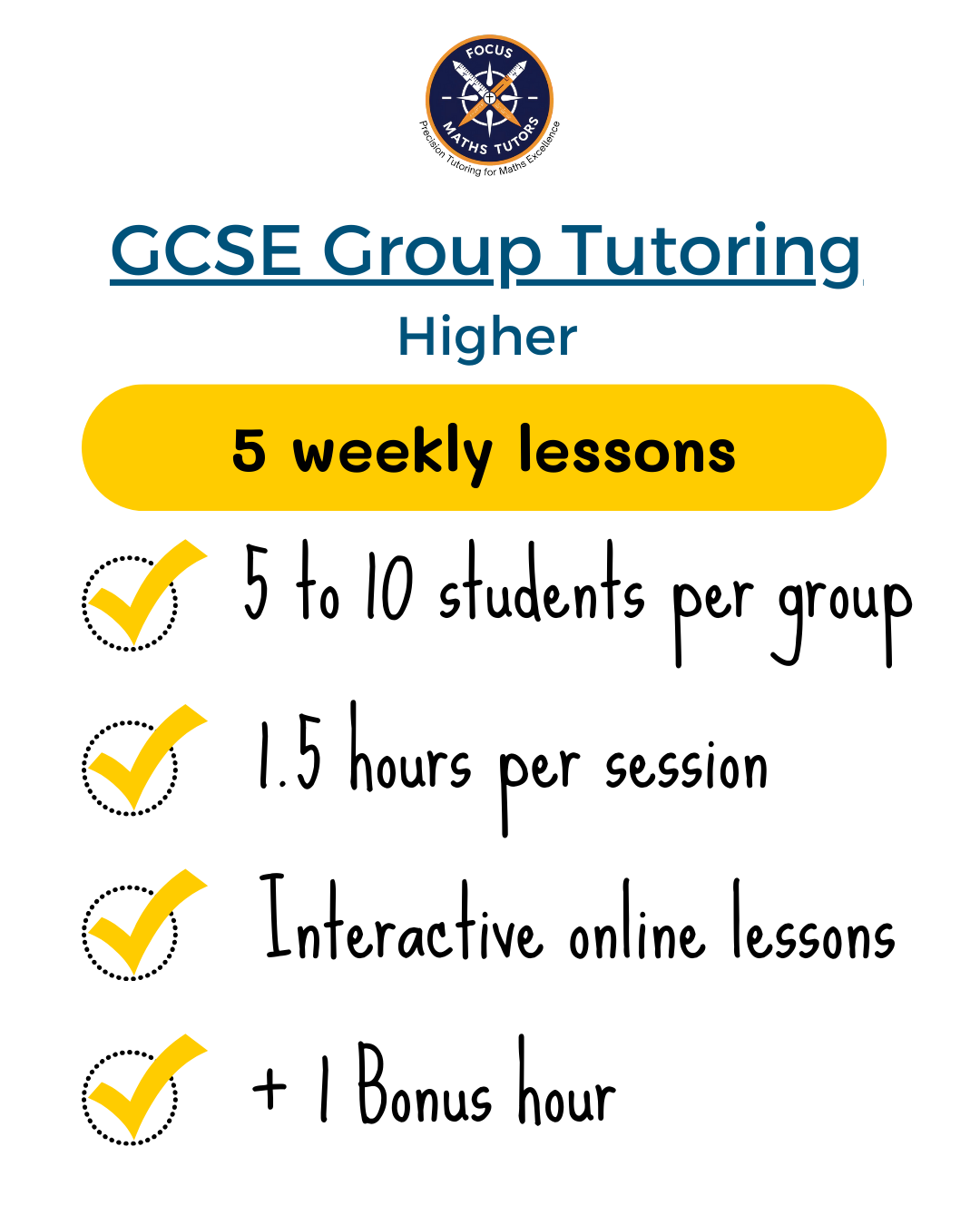
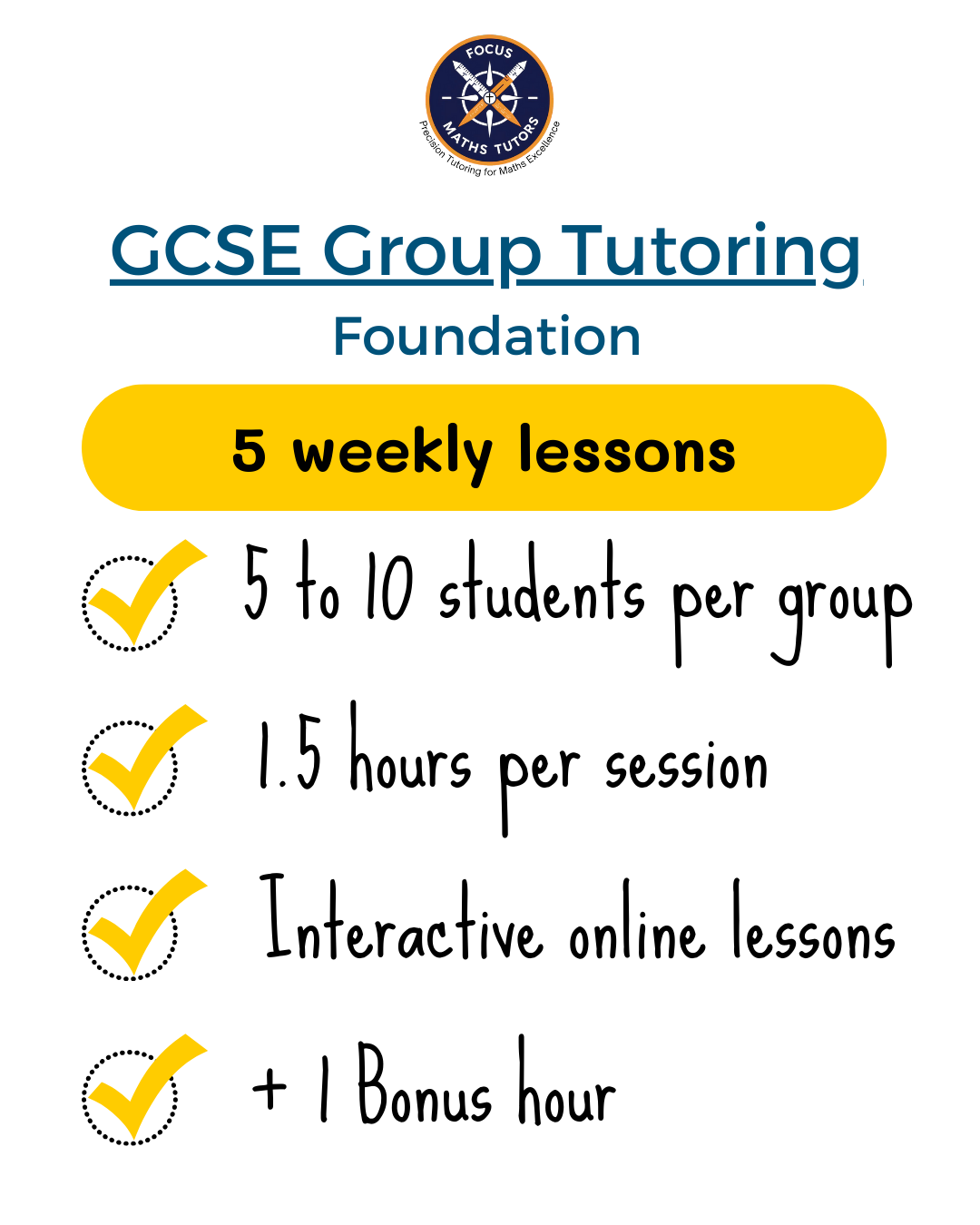
GCSE Groups (5–10 pupils): Research indicates that groups of two to five pupils achieve optimal results. FMT’s slightly larger groups still maintain the small‑group dynamic essential for personalised attention, while also benefiting from diverse peer perspectives.
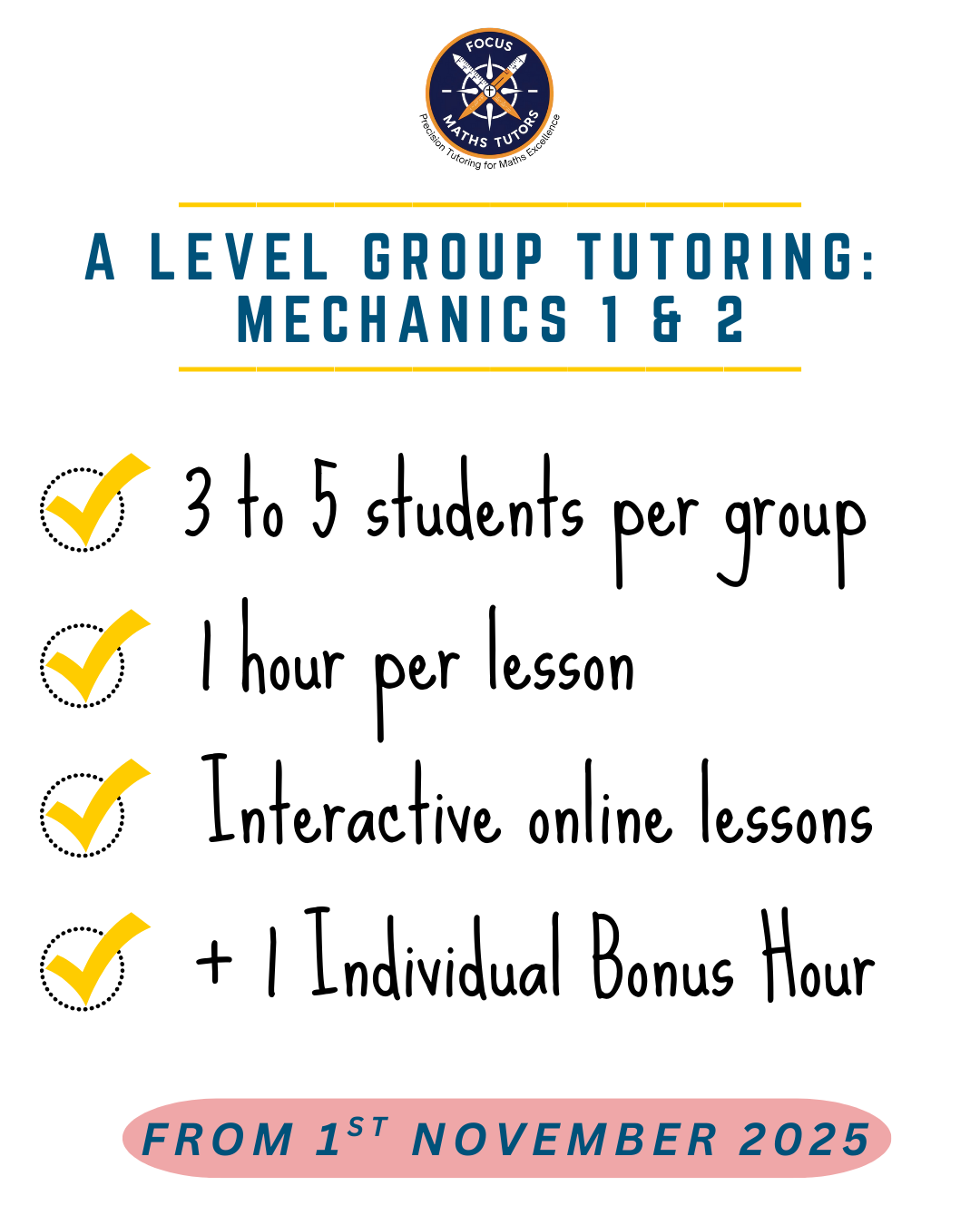
A‑Level Groups (3–5 pupils): These smaller cohorts reflect research findings that intensive small‑group teaching is particularly effective for advanced mathematical concepts, enabling deeper exploration of complex topics.
Research‑Informed Scheduling
FMT’s session structure is modelled on evidence‑based best practice:
Duration and Frequency: Research suggests that sessions shorter than 30 minutes and programmes lasting fewer than eight weeks optimise academic outcomes (Alegre et al., 2019). FMT’s 1.5‑hour intensive sessions provide sufficient time for in‑depth concept exploration while maintaining pupil engagement.
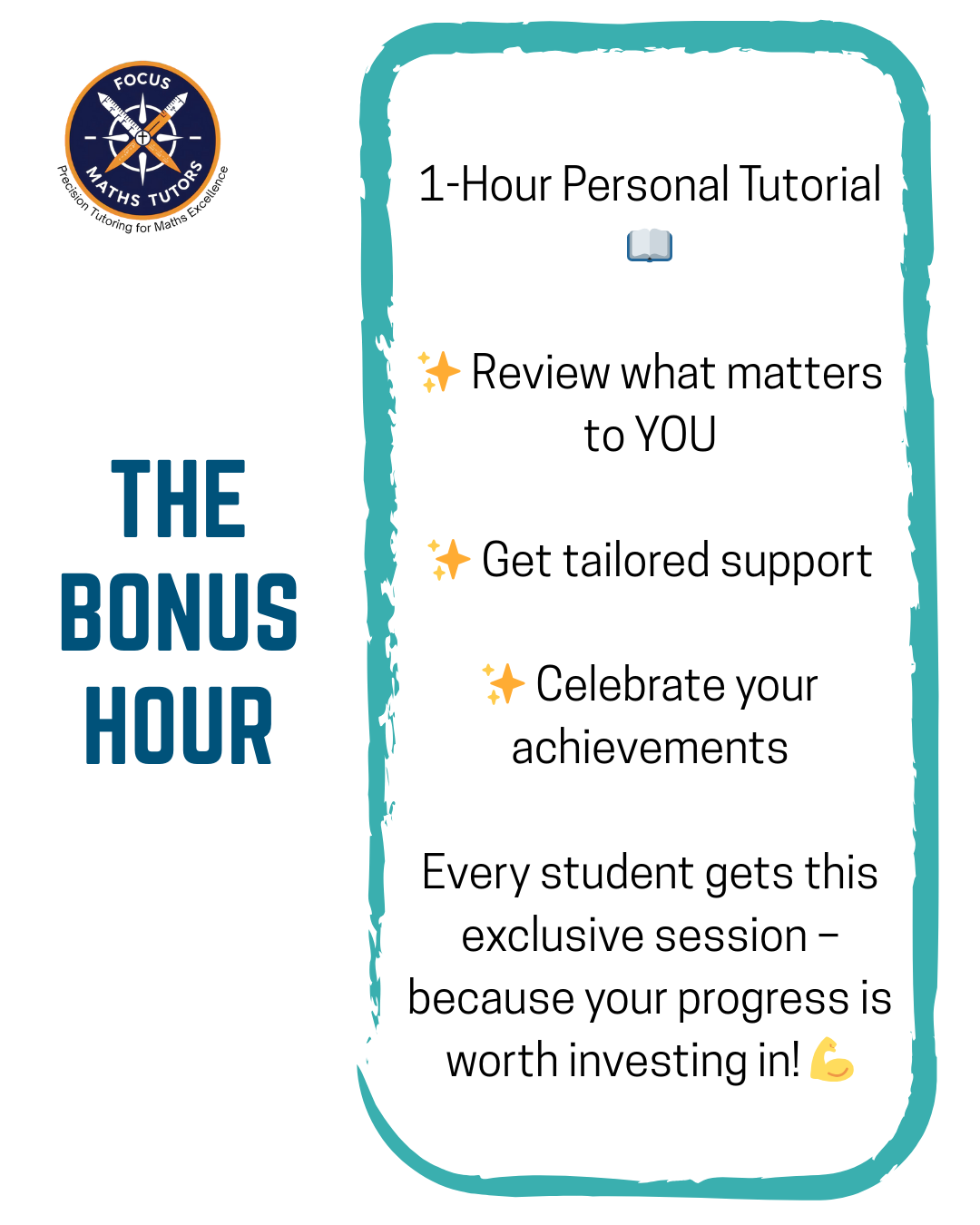
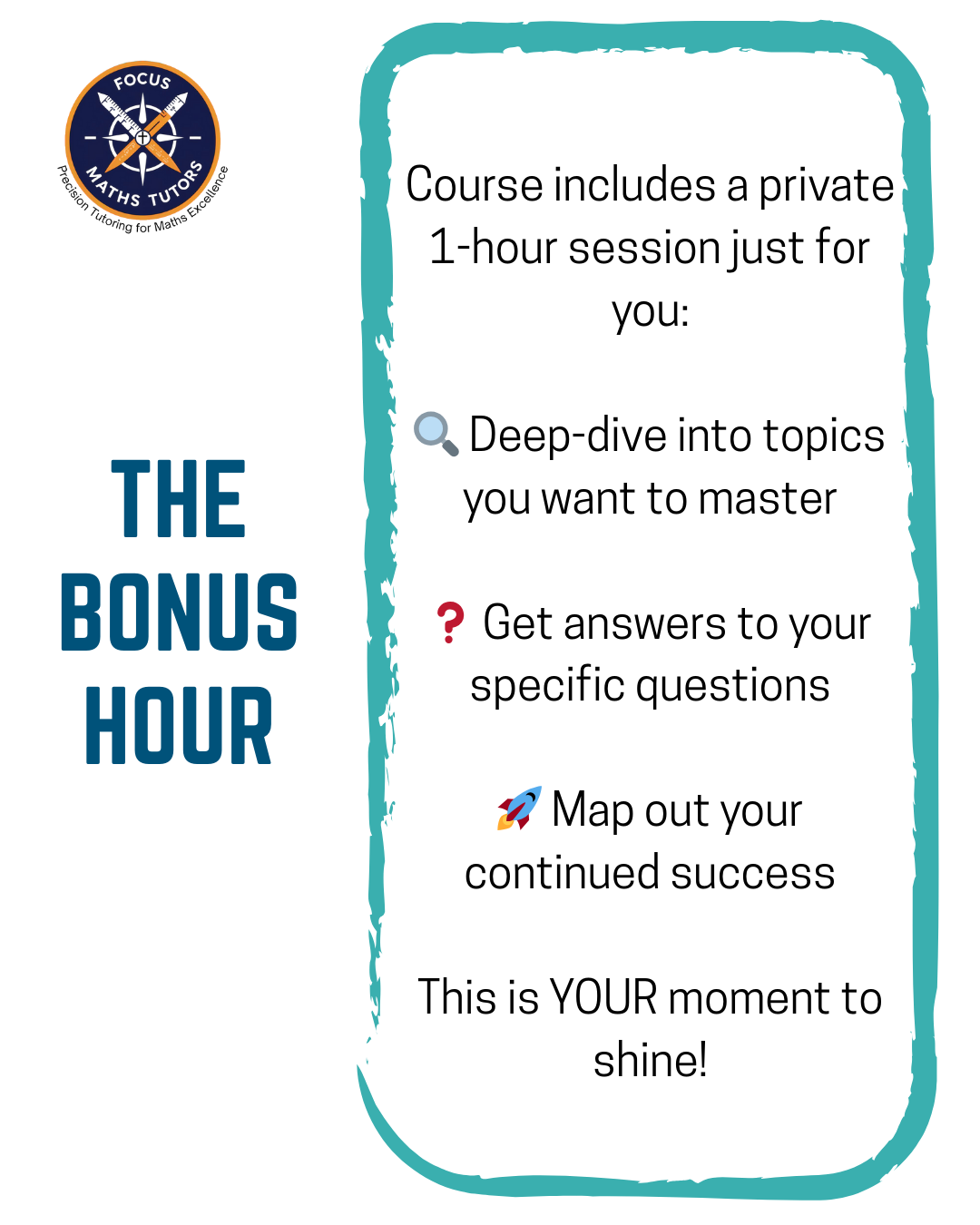
The Bonus Hour: Each pupil’s dedicated one‑to‑one session aligns with EEF findings that individual tuition can result in up to five months of additional progress when effectively implemented alongside group learning.
Targeted Intervention Strategy
FMT’s approach mirrors research‑proven methodologies:
Diagnostic Assessment Alignment: Research emphasises that small‑group tuition is most effective when targeted to pupils’ specific needs (EEF, 2024). FMT’s differentiated group structure (Foundation vs. Higher tier) ensures that learners encounter the right level of challenge.
Peer Tutoring Integration: Pupils naturally engage in same‑age reciprocal tutoring within groups, which research shows is particularly beneficial for mathematical self‑concept and achievement outcomes.
Professional Expertise Integration
Koffi’s qualifications directly reflect research recommendations:
Trained Teaching Delivery: Studies consistently show that providing training for those delivering small‑group support increases impact (EEF, 2024). Koffi’s PGCE, examiner experience and specialist qualifications ensure an evidence‑based pedagogical approach.
Curriculum Alignment: Research underlines the importance of tutoring that is closely aligned with classroom teaching. Koffi’s in‑depth understanding of exam board requirements and curriculum standards ensures seamless integration with pupils’ school learning.


Telephone: +44 07466 980 795
E-mail: info@focusmathstutors.co.uk